integrated metrology community.

News
EMPIR project develops world-first procedure for measuring sepsis biomarkers
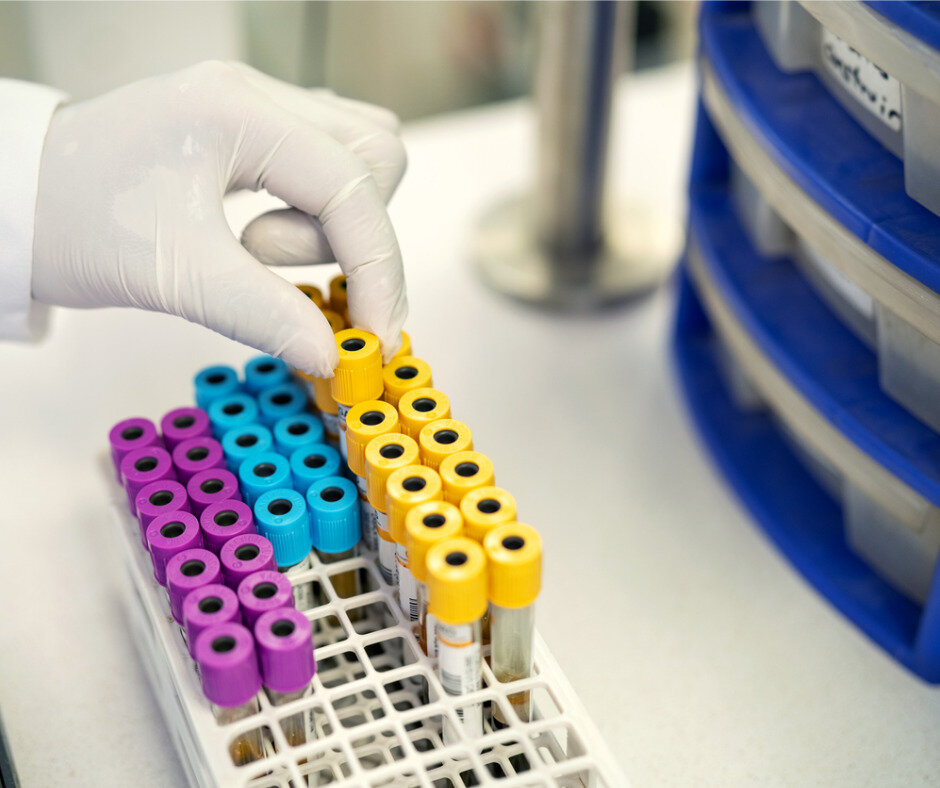
A lab technician picking a test tube out from a rack
Accelerated, accurate measurements of key proteins can be used to diagnose and guide treatment for sepsis, improving survival rates
Sepsis is a life-threatening condition in which the body has an extreme adverse reaction to infection, causing damage to its own organs and tissues. In Europe alone, sepsis leads to around 700 000 deaths every year. Worldwide, this number is as high as 6 million. In order to combat sepsis effectively, it must be diagnosed and treated within the space of a few hours. However, the typical in vitro diagnostic (IVD) method for guiding treatment, microbiological culture, is too slow to be used for effective management of sepsis. New methods have been developed using known biomarkers – biological molecules found in the body when certain diseases or conditions are present – but these novel solutions have not had uniform uptake due to concerns around accuracy.
Completed EMPIR project ‘Metrology to enable rapid and accurate clinical measurements in acute management of sepsis’ (18HLT03, SEPTIMET) has developed traceable IVD methods using biomarker analysis and reference materials to improve the speed and accuracy of sepsis diagnoses.
New measurement procedure
One of the recognised sepsis biomarkers is the protein procalcitonin (PCT) which, at elevated levels, is an indicator of bacterial infection. Reliable, traceable PCT measurements are therefore vital for sepsis treatment, but commercially available PCT assays were shown in a number of studies to have underlying discrepancies in their results. During the earlier EMPIR project ‘Novel materials and methods for the detection, traceable monitoring and evaluation of antimicrobial resistance’ (15HLT07, AntiMicroResist), a method to measure PCT using isotope dilution mass spectrometry (IDMS) was developed. However, this method used synthetic peptides for calibration which proved to be insufficient for accurate PCT quantification, requiring the use of a correction factor which was itself subject to variability.
Building on this work, the SEPTIMET project has developed a candidate reference measurement procedure by IDMS utilising a recombinant protein of well-characterized purity for calibration. This method allows PCT to be quantified from 0.25-132 ng/mL with an expected measurement uncertainty of 7 – 30 %. It is the first primary reference measurement procedure allowing SI traceable PCT measurement and has been submitted to the JCTLM Database, which collects high-order reference materials, measurement methods and services used for calibrations of in vitro diagnostic devices. Finally, this work will benefit the IFCC working group on the standardisation of PCT measurements, which involves members from industry academia and calibration labs.
Project coordinator Jim Huggett (LGC) has said of the project’s work:
“This is a brilliant example of how measurement science can be used to assist in improving test accuracy and inform diagnostics. The result could directly result in improved patient outcome reducing the mortality and morbidity associated with this terrible clinical condition.”
This EMPIR project is co-funded by the European Union's Horizon 2020 research and innovation programme and the EMPIR Participating States.
Want to hear more about EURAMET?
Information
- EMPIR,
- EMN Traceability in Laboratory Medicine,
- Health,
- TC-MC,

Developing a metrologically-based field assessment of glare and obtrusive light more

Standardising industrial procedures for the magnetic properties of devices leading to the improved quality of a wide variety of products more

Implementing quantum-based pressure measurement techniques in European industries more

Developing reference materials for mass spectroscopy to monitor radioactive and stable isotope pollution in the environment more

Development of the metrological network needed to realise and implement 6G technology more